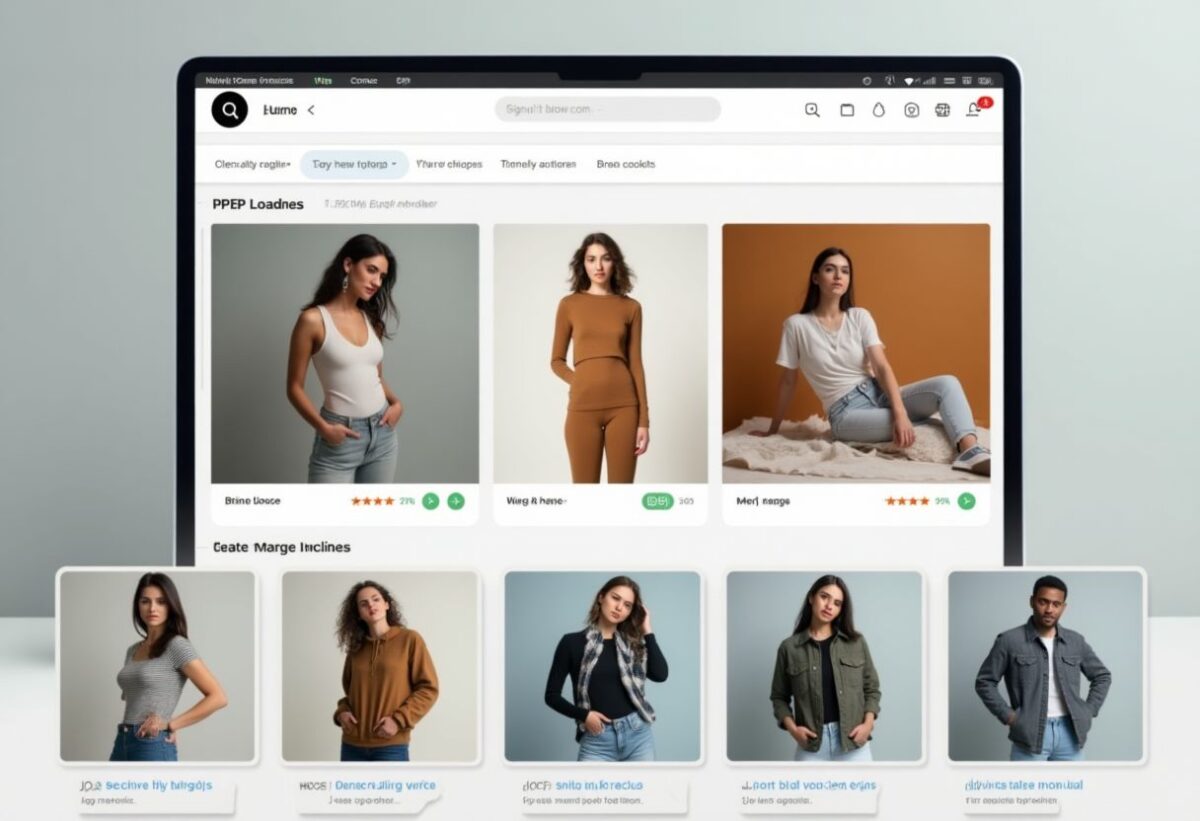
To attract the eye and captivate the customer, an online store must present images that are both aesthetically pleasing and high-performing. These visuals are not just simple illustrations; they are the face of your products, the intermediary between the buyer and the desired object. The quality of the images directly impacts the user experience and the conversion rate. In this rapidly evolving digital landscape, choosing the right image format is of paramount importance. It influences not only the loading speed of your site but also the perception of your brand. A pixelated, blurry, or overly large image can turn away a potential customer.
JPEG: the quintessential versatile format
The JPEG format is widely used in the field of online commerce, appreciated for its ability to provide high image quality with a reduced file size. This characteristic makes it ideal for products that require many visual details, such as clothing or accessories.
- Optimized compression: the JPEG format uses a compression technique that reduces file sizes, facilitating quick loading without compromising image quality.
- Universal compatibility: this format is compatible with almost all browsers and devices, ensuring that your images display perfectly for all your customers.
- Ideal for photos: JPEG images reproduce color nuances and gradients well, perfect for product photography where realism is a priority.
PNG: clarity and transparency at your service
For images requiring transparency or a clearly defined background, the PNG format stands out as an essential option. Although it produces larger files than JPEG, its ability to preserve details makes it an exceptional choice for graphic elements.
PNG images are often used for logos, icons, or illustrations that cannot tolerate any loss of quality. PNG also offers the ability to work with transparent backgrounds, making it particularly appreciated for clean and modern designs. A PNG image retains every detail, every pixel, and this can be crucial for maintaining a consistent and professional brand image. Product photography experts often recommend this format for flawless results.
WebP: performance and innovation
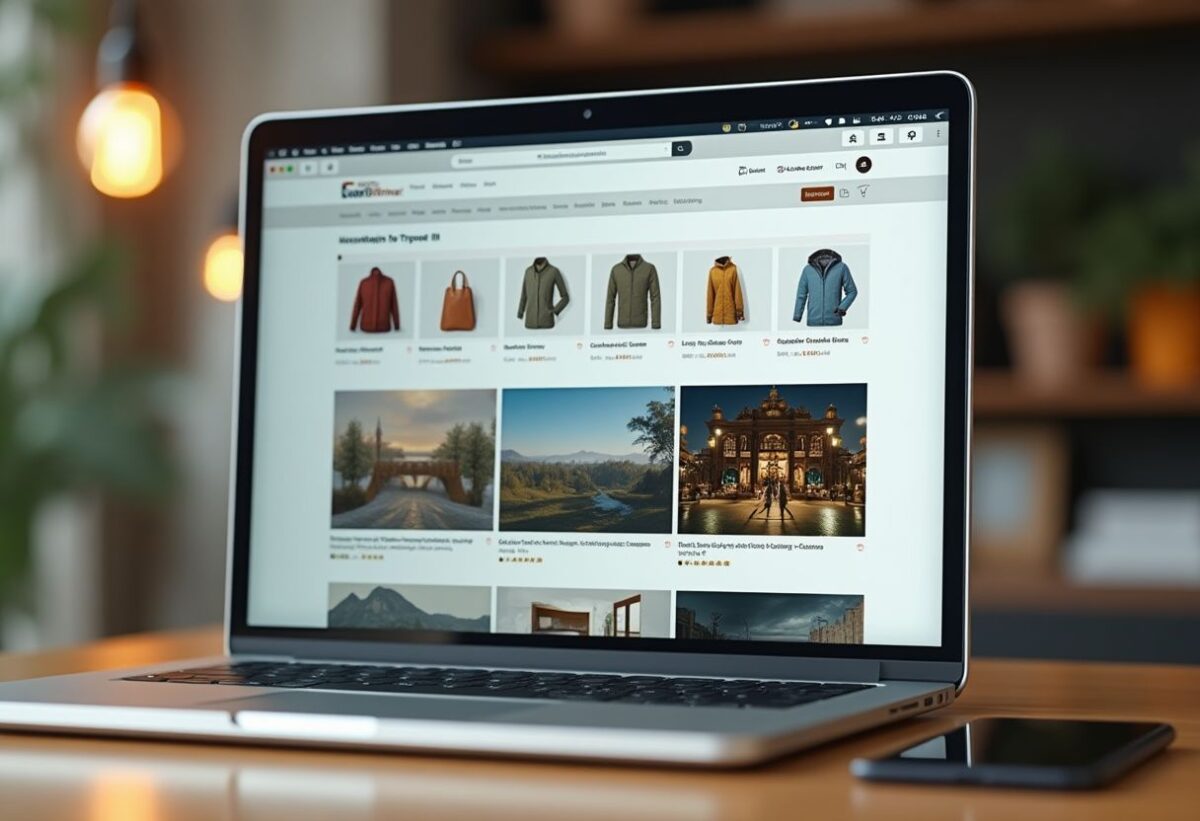
In the quest for uncompromising optimization, the WebP format stands out for its ability to significantly reduce image sizes without sacrificing quality. It is a relatively new format that is gaining popularity among developers and web designers.
- This format offers superior compression, meaning your images will load quickly, thus improving the overall user experience.
- WebP can handle both lossy and lossless compression, providing unmatched flexibility to adapt to every type of image and need.
- More and more browsers now support this format, making it a viable option for the near future in e-commerce.
GIF: animation at the service of the product
Although often associated with humorous animations on social media, the GIF format can also play a crucial role in an online store. It is particularly effective for showcasing products that require subtle movement to be fully appreciated.
The GIF is perfect for displaying short animations or 360-degree views of products. Its ability to attract attention makes it valuable for highlighting specific features or characteristics of a product. However, the image quality of this format is inferior to that of the other formats mentioned, and it is generally used sparingly to avoid a negative impact on site performance.
To maximize the visual impact on your online store, it is essential to choose image formats that not only showcase your products but also ensure smooth and pleasant navigation. Each format has its own strengths and is suited to specific uses. By considering compatibility, quality, and the needs of your audience, you will be able to create a memorable and effective online shopping experience.