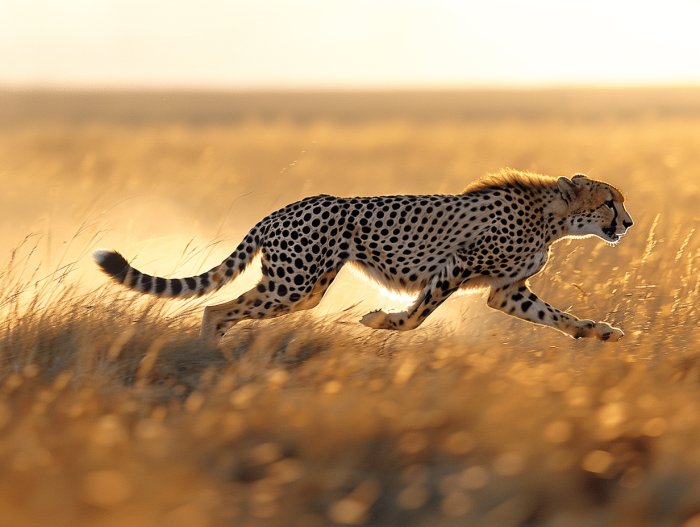
In the animal kingdom, each species displays physical abilities that often defy human understanding. These feats, the result of millions of years of evolution, allow animals to survive and adapt to sometimes extreme environments. Whether it’s the incredible speed of a cheetah on the hunt, the prodigious strength of a gorilla, the agility of a leopard in the trees, or the impressive ability of certain birds to travel thousands of kilometers during their migration, these natural exploits continue to fascinate and inspire scientific and technological research.
The Extraordinary Physical Abilities of Wild Animals
At the heart of wildlife, the suffering of wild animals is revealed in their daily struggle for survival. Self-amputation, for example, is a response to pain or danger, a desperate act where the wild animal voluntarily detaches a part of its body to escape a predator or free itself from a trap. This act, although radical, demonstrates an unyielding will to survive, the ultimate reflex in the face of an immediate threat.
Molting, the process of renewing the exoskeleton in arthropods, is another example of the incredible physical resilience of wild animals. This transformation, while essential, can prove to be a potentially painful process and makes the animal particularly vulnerable during its immobilization period. This illustrates the capacity of living beings in their natural state to endure the suffering and danger inherent in their condition.
In a more dynamic register, crocodile speed often surprises: these reptiles, which one might think are slow and clumsy, can reach impressive speed peaks when launching an attack. This ability to spring suddenly is the result of finely tuned evolutionary adaptation, allowing them to surprise their prey and compensate for their lack of agility in prolonged chases.
Conservation efforts aim to protect these extraordinary physical abilities, true miracles of evolution, which could one day disappear under the blows of human activity. The animal world, in all its diversity and complexity, continues to challenge our knowledge and push the boundaries of science, constantly reminding us how life in the wild is a fascinating phenomenon of inestimable richness.
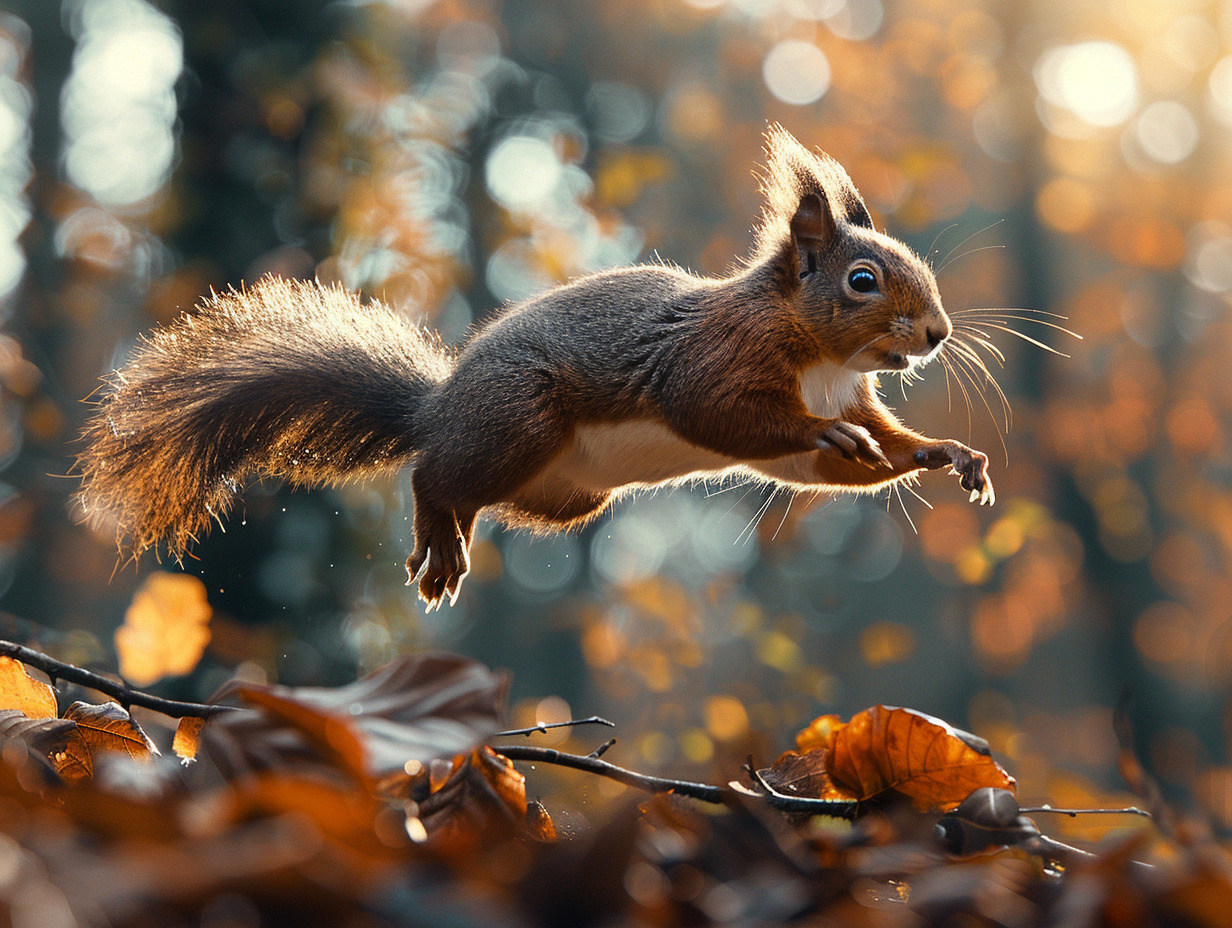
Remarkable Evolutionary Adaptations in Animals
Through evolution, wild animals have developed a multitude of mechanisms to adapt to their natural habitat. Extreme weather conditions, such as heatwaves or periods of severe cold, have led some species to develop complex survival strategies. Consider the polar bear, a master of adaptation, capable of regulating its body temperature in an environment where even humans, bundled up in their technologies, would struggle to survive.
Natural disasters have similarly shaped the animal kingdom. Species that have survived earthquakes, volcanic eruptions, or tsunamis illustrate both biological and behavioral resilience. These events, by reshaping the habitat, have forced a perpetual reinvention of life, reflected in the diversification of animal species. Sentience, the ability to feel sensations and emotions, proves to be a key factor in understanding how these beings live and adapt to the pain and stress caused by these upheavals.
Intraspecific conflicts and physical injuries caused, whether by predation or accidents, are sources of suffering that animal welfare research is just beginning to elucidate. Animal intelligence then reveals itself in their ability to avoid these dangers, through complex social behaviors or innate healing strategies, often unknown to humans, too busy observing the world through the prism of their own sentience.
The animal rights movement, in its noble quest, must take into account these adaptations and sufferings, to avoid falling into the trap of anthropomorphism. Human intervention in nature, whether motivated by ecology or darker designs such as terraforming and directed panspermia, must echo these evolutionary realities. Future technologies, moreover, could offer solutions to some of these sufferings, or conversely, amplify them if not guided by a solid understanding of ecological systems and animal sentience.