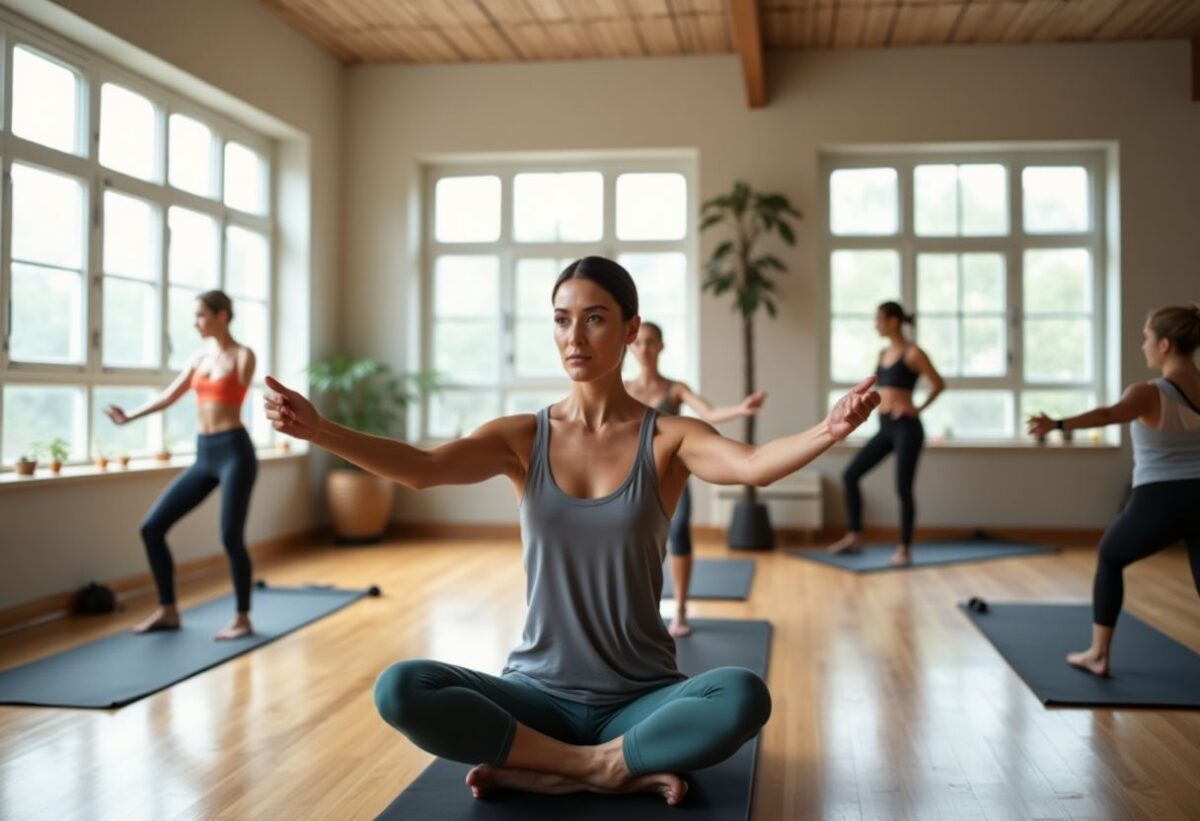
Pilates, a gentle yet rigorous discipline, has won over millions of followers worldwide. Born in the 1920s thanks to Joseph Pilates, this system of exercises was designed to strengthen the body, improve flexibility, and refine posture. Far from being limited to a simple effect on the body, Pilates also addresses the mind, providing unparalleled overall well-being. In a context where daily stress reaches new heights, and where incorrect postures due to office work lead to pain and discomfort, Pilates appears as a saving solution.
With its fluid and controlled movements, this practice has succeeded in attracting many individuals in search of a holistic method to improve their quality of life. Whether one is a high-level athlete or a simple office worker, the benefits of Pilates extend to everyone, promising a journey towards total well-being.
Muscle Strengthening and Increased Flexibility
Pilates stands out for its ability to strengthen muscles deeply while improving flexibility. This unique characteristic attracts many people looking to achieve a toned body without developing excessive muscle mass. Practitioners quickly notice a significant difference in their strength and flexibility.
- Core Strengthening: Pilates emphasizes the development of the core, the center of the body, which includes the abdominals, back, and pelvic muscles. A strong core improves posture and provides essential support for daily movements.
- Improvement of Flexibility: Pilates exercises are designed to gently stretch the muscles while strengthening them, which considerably improves flexibility and reduces the risk of injuries.
- Muscle Balance: By targeting different muscle groups in each session, Pilates ensures a harmonious development of the body, thus avoiding the imbalances often observed with other forms of exercise.
Posture Improvement and Pain Reduction
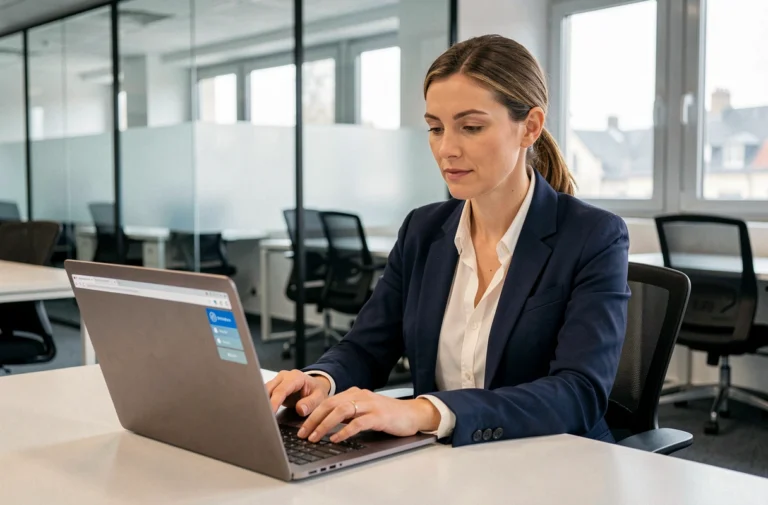
The hours spent in front of a computer screen can lead to inadequate postures and persistent pain. Pilates, through its fundamental principles, offers an effective solution to rectify these issues.
By integrating exercises focused on body alignment and strengthening the back muscles, Pilates helps correct poor postures. Practitioners report a noticeable improvement in their overall posture, thus reducing tension in the neck and shoulders. Moreover, Pilates has proven particularly beneficial for individuals suffering from chronic pain, especially in the lower back. These specific movements, performed with precision, provide significant relief by targeting problematic areas.
Coordination and Mind-Body Connection
Regular practice of Pilates enhances body awareness, thus improving coordination and the connection between body and mind. This discipline requires intense concentration and attention to detail, leading to better self-awareness.
- Increased Coordination: Pilates exercises require perfect synchronization between movement and breathing, which improves overall coordination.
- Mental Concentration: Pilates encourages mental focus that calms the mind, allowing for an escape from daily stress.
Mental Well-Being and Stress Management
Pilates does not just transform the body; it also acts on the mind. In a world where stress is omnipresent, this discipline offers a refuge of tranquility and serenity, providing significant mental well-being.
Controlled breathing, a central element of Pilates, plays a crucial role in stress reduction. By focusing on each inhalation and exhalation, practitioners manage to calm their minds and lower stress levels. Pilates classes in Paris are often described as a moving meditation, offering a temporary escape from daily turmoil.
Furthermore, regular practice of Pilates contributes to improving overall mood by releasing endorphins, the happiness hormones, making each session revitalizing and energizing.